How to Prevent Data Breaches in Corporate Networks: Best Practices and Strategies for Securing Sensitive Information
The Growing Threat of Data Breaches
Data breaches continue to be one of the most significant cybersecurity risks for businesses across all sectors. With the increasing volume of sensitive information being stored and transmitted digitally, organizations must remain vigilant to prevent unauthorized access. The consequences of a data breach can be catastrophic, ranging from financial losses to damage to a company’s reputation and legal ramifications.
As cyber threats evolve, traditional security measures are no longer sufficient. Organizations must adopt comprehensive, multi-layered security strategies to mitigate the risks associated with data breaches. In this blog, we will explore the causes of data breaches, the latest prevention strategies, and best practices for safeguarding corporate networks.
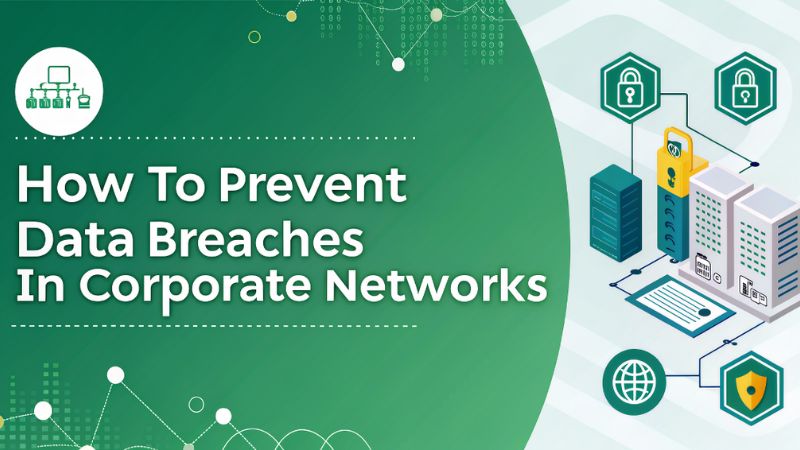
What Is a Data Breach and Why Is It a Growing Concern?
A data breach occurs when unauthorized individuals gain access to sensitive or confidential information. This data may include personal details, intellectual property, financial records, trade secrets, or other business-critical data. Hackers, insiders, or even external contractors may exploit vulnerabilities in an organization’s network, applications, or infrastructure to access and steal this information.
Data breaches can arise from various attack methods, including phishing, malware, ransomware, and exploiting system vulnerabilities. The rise of cloud services, remote work, and the Internet of Things (IoT) has only expanded the attack surface, making it harder to protect data across networks, devices, and systems.
Key Causes of Data Breaches
Understanding the root causes of data breaches is essential to developing effective prevention strategies. Some of the most common causes include:
- Human Error:
A significant percentage of data breaches result from human error, such as employees mishandling sensitive data, weak password practices, or falling victim to phishing attacks. According to a report by Verizon, human error is responsible for 23% of data breaches. - Weak Passwords and Poor Authentication:
Using weak or reused passwords allows hackers to easily breach systems. Multi-factor authentication (MFA) is one of the simplest and most effective ways to enhance security. - Outdated Software and Unpatched Vulnerabilities:
Cybercriminals often exploit unpatched security flaws in software applications, operating systems, and network devices. Regular updates and patch management are critical to closing these security gaps. - Insider Threats:
Employees, contractors, or business partners with access to sensitive information may intentionally or unintentionally leak data. Insider threats are particularly challenging to detect and mitigate. - Phishing Attacks:
Phishing emails designed to trick employees into revealing login credentials or downloading malware remain one of the most prevalent attack methods. Cybercriminals use social engineering tactics to exploit human trust. - Inadequate Data Encryption:
Failing to encrypt sensitive data, both in transit and at rest, increases the risk of unauthorized access. Encryption ensures that even if data is intercepted, it remains unreadable without the proper decryption key.
How to Prevent Data Breaches in Corporate Networks
The best way to prevent data breaches is to implement a proactive and layered cybersecurity strategy. Below are proven methods and best practices to safeguard your organization’s sensitive information:
1. Implement a Strong Access Control Policy
One of the foundational principles of cybersecurity is the principle of least privilege (PoLP). Employees and contractors should only have access to the data they need to perform their job functions, and access should be granted based on roles and responsibilities.
- Role-Based Access Control (RBAC):
Assign specific roles and privileges to users based on their job functions, ensuring that they only have access to the necessary data and resources. - Regularly Review Access Logs:
Periodically review who has access to sensitive data and revoke permissions when employees leave or change roles. Implementing strong access management practices can help prevent unauthorized access.
2. Use Multi-Factor Authentication (MFA)
Multi-factor authentication adds an additional layer of security by requiring users to verify their identity through more than just a password. By implementing MFA, organizations can significantly reduce the chances of unauthorized access, even if an attacker compromises a password.
MFA can include:
- Something you know (password or PIN)
- Something you have (security token or phone)
- Something you are (biometric data)
3. Encrypt Sensitive Data
Data encryption is a critical defense against data breaches. It ensures that even if attackers access your network, they cannot read or use the stolen data without the decryption key. Implement encryption both for data at rest (stored data) and data in transit (data being transferred over networks).
- Use SSL/TLS for Web Traffic:
Secure Sockets Layer (SSL) or Transport Layer Security (TLS) encrypts data transmitted over the internet, ensuring that sensitive information like login credentials, credit card numbers, and personal details remain secure during transmission. - Encrypt Endpoints and Devices:
Laptops, mobile devices, and USB drives should be encrypted to protect data in case they are lost or stolen.
4. Regularly Update and Patch Software
Software vulnerabilities are one of the most common entry points for cybercriminals. Organizations should regularly update their operating systems, applications, and network devices to patch any known security vulnerabilities.
- Automated Patch Management:
Implement an automated patch management system that ensures timely updates for all software and hardware systems across the organization. - End-of-Life Software:
Discontinue using software or systems that are no longer supported by the vendor and may have unpatched vulnerabilities.
5. Conduct Regular Security Training and Awareness Programs
One of the most effective ways to reduce the likelihood of a data breach is by educating employees about security best practices. Many data breaches occur due to human error or negligence. Regular training can help employees recognize phishing emails, use strong passwords, and follow proper data-handling procedures.
Key training areas include:
- Phishing Awareness:
Teach employees how to identify and report suspicious emails. - Data Handling Procedures:
Provide guidance on how to securely handle, store, and transmit sensitive information. - Password Management:
Encourage employees to use strong, unique passwords for each account and enable MFA whenever possible.
6. Implement Network Segmentation
Network segmentation divides a corporate network into smaller, isolated sub-networks, reducing the impact of a breach. By isolating sensitive data from less critical systems, an organization can contain a breach to a smaller section of the network.
- Virtual Local Area Networks (VLANs):
Use VLANs to segment your network and restrict access to sensitive data based on user roles. - Zero Trust Architecture:
Adopt a Zero Trust model where all users, whether inside or outside the organization, must be continuously authenticated and authorized before accessing any resource.
7. Monitor and Detect Suspicious Activity
Implement continuous monitoring and threat detection systems to identify potential breaches in real-time. Using Security Information and Event Management (SIEM) tools, organizations can collect and analyze logs from various devices to detect unusual activities and potential security incidents.
- Behavioral Analytics:
Use advanced machine learning algorithms to detect deviations from normal user behavior, which can indicate a security breach. - Incident Response Plan:
Ensure that your organization has a clear and actionable incident response plan in place. The faster a breach is detected, the quicker it can be mitigated.
Advanced Strategies for Preventing Data Breaches
8. Adopt Secure Software Development Practices
For organizations that develop their own software applications, security should be embedded throughout the software development lifecycle (SDLC). This includes conducting regular security audits, penetration testing, and using secure coding practices to minimize vulnerabilities.
9. Outsource Security to Managed Security Service Providers (MSSPs)
If internal resources are limited, outsourcing cybersecurity operations to MSSPs can provide advanced protection and expertise. MSSPs offer a wide range of services, including threat monitoring, incident response, and security consulting.
10. Maintain Backups and Disaster Recovery Plans
A comprehensive backup and disaster recovery plan ensures that in the event of a breach or data loss, critical information can be restored. Regular backups should be encrypted and stored in multiple locations to ensure availability and integrity.
Conclusion: Strengthening Your Defenses Against Data Breaches
Data breaches are a growing concern for organizations of all sizes. By implementing a multi-layered cybersecurity strategy, including strong access controls, encryption, regular training, and up-to-date software, businesses can significantly reduce the risk of a breach. Prevention is key-being proactive rather than reactive is the best way to safeguard sensitive information and maintain customer trust.
Stay vigilant, educate your employees, and adopt the latest cybersecurity practices to ensure your network remains secure. The cost of a breach can be devastating, but with the right approach, organizations can successfully prevent data breaches and protect their sensitive data from cybercriminals.