
Securing Energy Grids from Ransomware and Nation-State Threats
In today’s interconnected world, energy grids are among the most critical components of a nation’s infrastructure. They power everything from hospitals and factories to homes and businesses. With the growing threat of cyberattacks, energy grids have become prime targets for ransomware attacks and nation-state actors. These threats not only disrupt power generation and distribution but also pose serious risks to national security, economic stability, and public safety.
This blog post explores the complexities of securing energy grids from the rising tide of ransomware attacks and nation-state cyber threats. We will look at the most significant cybersecurity risks faced by the energy sector, delve into recent high-profile incidents, and discuss effective strategies to protect energy grids from evolving cyber threats.
The Critical Role of Energy Grids
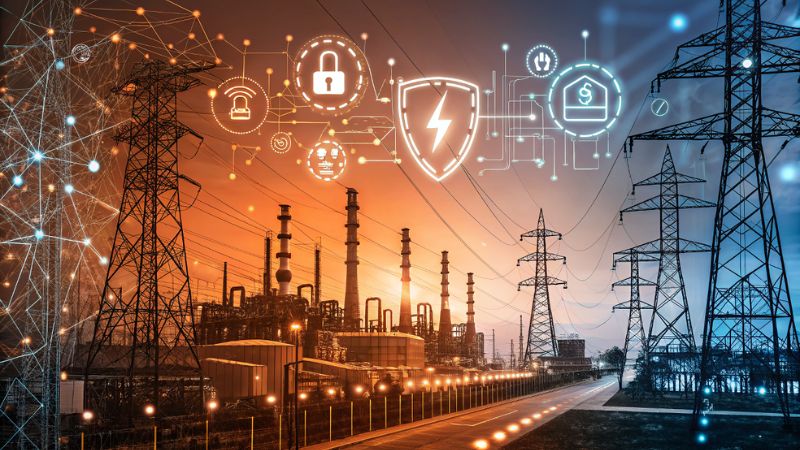
Energy grids are the backbone of modern society. They are responsible for generating, transmitting, and distributing electricity across cities, states, and nations. Energy infrastructure includes power plants, substations, transmission lines, and control systems such as Supervisory Control and Data Acquisition (SCADA) and Industrial Control Systems (ICS) that monitor and control industrial processes.
In the past, energy grids were largely isolated from the digital world. However, with the advent of the Internet of Things (IoT), digitalization, and increased demand for real-time data, the energy sector has become increasingly interconnected. This convergence of Operational Technology (OT) and Information Technology (IT) has led to significant operational efficiencies but also introduced a host of vulnerabilities to cyber threats.
As energy grids become more connected, the risk of cyberattacks, including ransomware and nation-state threats, has escalated. Given that these critical systems are essential for the functioning of society, securing energy grids is paramount.
The Growing Threat of Ransomware
Ransomware is a form of malware that encrypts an organization’s files or systems, rendering them inaccessible until a ransom is paid to the attacker. Ransomware attacks have become one of the most prevalent forms of cybercrime in recent years, affecting organizations across all industries, including the energy sector.
The impact of a ransomware attack on energy grids can be catastrophic. It can:
- Disrupt power supply: Ransomware can freeze control systems, shutting down power plants or substation equipment.
- Cause financial losses: Attacks can lead to business interruption, costly recovery efforts, and fines.
- Damage critical infrastructure: Physical assets such as transformers, turbines, and generators can be damaged by the disruption caused by ransomware, leading to long-term operational impacts.
- Compromise safety: Malicious actors could exploit the shutdown of safety systems in energy grids, leading to safety incidents.
Ransomware attacks are typically delivered through phishing emails, malicious software, or vulnerabilities in outdated systems. Once inside the network, ransomware spreads quickly across both IT and OT networks, making detection and mitigation more complex.
Recent Examples of Ransomware in the Energy Sector
- Colonial Pipeline Attack (2021): The Colonial Pipeline ransomware attack was one of the most significant attacks on energy infrastructure in recent history. The attack led to the shutdown of a major oil pipeline in the United States, disrupting the supply of fuel across the eastern U.S. The cybercriminal group DarkSide was responsible for this attack, which crippled both the pipeline’s operations and the public’s access to fuel.
- Electricity Supplier Attack (2020): In a series of ransomware attacks, energy suppliers in Europe were targeted, leading to the theft of confidential data and temporary shutdowns of power generation facilities. These incidents highlighted the vulnerability of energy grids to ransomware attacks, especially when legacy systems are not properly secured.
Lessons Learned from Ransomware Attacks
- Backup and Recovery: Having a robust backup strategy is crucial to quickly restoring operations following a ransomware attack. Systems should be regularly backed up and stored in isolated environments to prevent ransomware from accessing them.
- Patch Management: Ensuring that all software, especially SCADA and ICS systems, is up to date with the latest security patches is essential. Many ransomware attacks exploit unpatched vulnerabilities in legacy systems.
- Network Segmentation: Segmenting IT and OT networks can help contain the spread of ransomware between the two domains. Isolating critical OT systems from external networks can significantly reduce the attack surface.
- Employee Training: Since many ransomware attacks begin with phishing emails, training employees to recognize suspicious emails and phishing attempts is vital to prevent an initial breach.
The Threat of Nation-State Cyberattacks
In addition to ransomware, nation-state actors have become a significant threat to energy grids around the world. Nation-state cyberattacks are typically well-funded and highly sophisticated operations aimed at achieving strategic objectives, such as espionage, economic disruption, or political leverage.
Nation-state actors are often motivated by the desire to:
- Disrupt critical infrastructure: Attacks on energy grids can cripple economies, disrupt services, and destabilize governments.
- Steal intellectual property: Cyberattacks on energy companies may aim to steal sensitive information about technologies and operations.
- Spy on government operations: Nation-state actors may attempt to infiltrate energy grid systems to gather intelligence on national security and governmental operations.
Cyberattacks on energy grids by nation-states have become a major concern for governments and private companies alike. These actors typically target ICS and SCADA systems, which are responsible for controlling industrial operations and monitoring grid performance.
High-Profile Nation-State Attacks on Energy Grids
- Stuxnet (2010): The Stuxnet attack, widely believed to have been carried out by U.S. and Israeli intelligence agencies, targeted Iran’s nuclear enrichment facilities. The malware specifically targeted SCADA systems controlling industrial equipment and caused significant damage to Iran’s nuclear program. While not directly aimed at disrupting the broader energy grid, Stuxnet marked the first known use of cyberattacks as a tool for geopolitical strategy.
- Ukraine Power Grid Attack (2015): In December 2015, Russian hackers targeted Ukraine’s power grid with a cyberattack, using BlackEnergy malware to disrupt operations. This attack affected over 230,000 people, causing widespread power outages and demonstrating the vulnerability of energy grids to state-sponsored cyberattacks.
Lessons Learned from Nation-State Attacks
- Resilience Against Disruption: Given the strategic importance of energy grids, the systems that control critical infrastructure need to be highly resilient. Attackers must be unable to fully compromise the grid’s operation, even in the face of sophisticated attacks.
- Threat Intelligence Sharing: Governments and private-sector entities should work together to share threat intelligence regarding nation-state actors. This helps identify potential threats early and allows for a quicker response.
- Incident Response Plans: Organizations need well-defined incident response plans to minimize the damage caused by cyberattacks. These plans should include communication strategies, recovery procedures, and coordination with national cybersecurity agencies.
- Advanced Monitoring and Detection: Detecting nation-state attacks requires advanced monitoring systems that can analyze unusual behavior across both IT and OT environments. Anomaly detection tools and machine learning algorithms can help identify threats before they cause significant damage.
Protecting Energy Grids from Cyber Threats
Securing energy grids against ransomware and nation-state attacks requires a multi-layered approach that combines technology, processes, and people. Below are some best practices and strategies that can help energy companies mitigate the risks associated with these cyber threats:
1. Network Segmentation and Isolation
- Segregate IT and OT networks: Critical OT systems should be isolated from IT networks to prevent cross-domain attacks. This limits the movement of malware and reduces the risk of ransomware spreading across the grid.
- Air-gapping: Air-gapping refers to physically isolating sensitive OT systems from external networks, including the internet. This significantly reduces the potential attack surface for cybercriminals.
2. Regular Software Updates and Patching
- Update SCADA and ICS systems regularly to ensure that vulnerabilities are addressed in a timely manner. Many cyberattacks exploit unpatched software in legacy systems, so ensuring that critical software is updated is essential for security.
3. Advanced Threat Detection
- Deploy next-gen threat detection systems that monitor traffic between IT and OT networks. Intrusion Detection Systems (IDS) and Security Information and Event Management (SIEM) tools can help detect unusual activity in real-time.
- Anomaly detection can identify deviations from normal patterns, signaling the presence of malicious activity before it causes harm.
4. Incident Response and Recovery Planning
- Develop and test incident response plans for cyberattacks. These plans should focus on minimizing downtime and ensuring business continuity by defining clear steps to take in the event of a cyberattack.
- Backup critical systems regularly to ensure that data can be restored quickly in the event of an attack.
5. Employee Training and Awareness
- Conduct cybersecurity training for employees at all levels, from executives to field workers. Employees should be aware of the risks of phishing and social engineering, which are common entry points for ransomware attacks.
6. Collaboration with Government Agencies
- Collaborate with national cybersecurity agencies to stay informed about the latest threats, attack trends, and mitigation strategies. Government entities often share valuable threat intelligence and can provide resources for dealing with nation-state actors.
Conclusion
The threat landscape for energy grids has evolved rapidly, with ransomware attacks and nation-state actors posing significant risks to the security and stability of critical infrastructure. These attacks can have devastating consequences for economies, national security, and public safety. However, by implementing robust cybersecurity measures-including network segmentation, regular patching, advanced threat detection, and comprehensive incident response plans-energy companies can strengthen their defenses and reduce their vulnerability to cyber threats.
As the energy sector continues to digitize and become more interconnected, cybersecurity must remain a top priority. By learning from past attacks and implementing proactive security strategies, organizations can ensure that energy grids remain resilient in the face of evolving cyber threats.
Stay up-to-date with the latest developments in energy grid security by subscribing to CyberSec Magazine, your trusted source for insights into OT security, ransomware defense, and the protection of critical infrastructure.