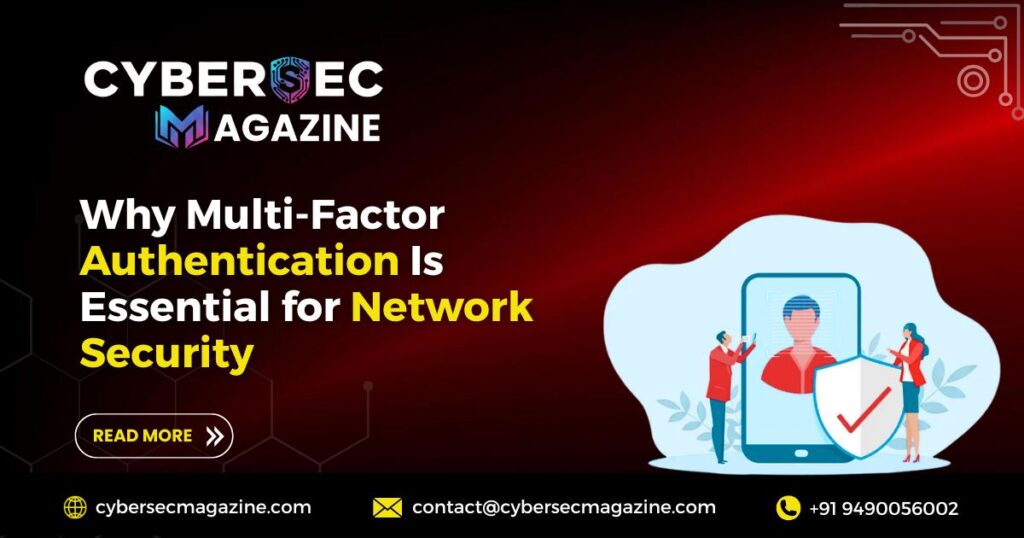
Why Multi-Factor Authentication Is Essential for Network Security
The Importance of Network Security in the Modern Digital Landscape
In today’s increasingly connected world, where cyber threats are evolving and becoming more sophisticated, securing networks is more important than ever. Organizations across all industries, particularly in the OT/ICS (Operational Technology/Industrial Control Systems) and IoT (Internet of Things) sectors, are at constant risk from cyberattacks. These threats not only target sensitive data but can also disrupt operations, cause financial loss, and damage a company’s reputation.
As businesses embrace digital transformation, traditional methods of protecting networks, such as using strong passwords, are no longer sufficient. A single compromised password can grant attackers full access to sensitive systems, causing severe consequences. This is where Multi-Factor Authentication (MFA) comes in.
MFA is a proven method for improving network security by adding multiple layers of protection to the authentication process. In this blog post, we will explore why MFA is essential for modern network security, particularly for OT/ICS and IoT environments, and how it enhances the defense mechanisms against potential cyber threats.

What is Multi-Factor Authentication (MFA)?
Multi-Factor Authentication (MFA) is a security mechanism that requires users to provide two or more verification factors before they are granted access to a network, system, or application. Unlike single-factor authentication, which relies solely on something the user knows (like a password), MFA combines different forms of authentication, significantly enhancing the security of the access control process.
The three primary types of factors used in MFA are:
- Something You Know: Typically a password or PIN.
- Something You Have: A physical device like a smartphone, security token, or smart card.
- Something You Are: Biometric identifiers such as fingerprints, facial recognition, or voice recognition.
By requiring users to verify their identity using at least two of these factors, MFA makes it much harder for attackers to gain unauthorized access, even if they manage to obtain one of the factors (e.g., stealing a password).
Why is Multi-Factor Authentication Crucial for Network Security?
As cybercriminals grow more sophisticated, relying on passwords alone to secure networks no longer meets the minimum security standards. A significant reason why MFA has become essential for network security is the increasing frequency and severity of data breaches, particularly in industries with critical infrastructure, such as OT/ICS and IoT.
Let’s take a closer look at the key reasons why MFA is critical for modern network security:
1. Protection Against Password-based Attacks
The most common and easiest way for cybercriminals to access networks is by exploiting weak or stolen passwords. Phishing attacks, brute-force attacks, and social engineering tactics are just some of the methods attackers use to steal login credentials. Once attackers gain access to a single user’s account, they can move laterally across the network, accessing confidential data or even shutting down critical systems.
MFA significantly reduces the risk of such attacks. Even if an attacker manages to steal a password, they will still need the second (or third) factor of authentication to successfully access the system.
2. Safeguarding Critical Infrastructure in OT/ICS Environments
In OT/ICS environments, where networks control industrial systems such as manufacturing lines, power grids, and pipelines, the stakes are incredibly high. A cyberattack on these systems can lead to widespread disruption, financial loss, safety hazards, and even life-threatening situations.
In these environments, MFA is essential for securing access to sensitive systems, devices, and control interfaces. MFA ensures that only authorized personnel can access critical systems, thus preventing unauthorized control and reducing the risk of cyberattacks targeting these vulnerable systems.
3. Enhancing IoT Security
The rapid growth of the Internet of Things (IoT) has introduced an increased number of entry points into networks. Devices connected to the Internet, such as sensors, cameras, and smart machines, often have weak security, making them an attractive target for cybercriminals. If a hacker gains access to an IoT device, they could exploit it to gain access to the wider network.
Since IoT devices are often used in conjunction with OT systems in industries like manufacturing, healthcare, and energy, it’s crucial to implement MFA to secure these devices and prevent unauthorized access.
4. Compliance with Industry Regulations
Regulatory frameworks and industry standards for cybersecurity increasingly mandate the use of MFA to protect sensitive information and critical systems. For instance, industries such as finance, healthcare, and energy are subject to stringent regulations that require MFA to comply with security standards.
For example:
- NIST Cybersecurity Framework: The National Institute of Standards and Technology (NIST) recommends MFA as part of its guidelines for securing critical infrastructure.
- GDPR: The European Union’s General Data Protection Regulation (GDPR) encourages the use of MFA to secure personal data and mitigate breaches.
- HIPAA: In the healthcare sector, the Health Insurance Portability and Accountability Act (HIPAA) also recommends MFA for protecting healthcare data.
Non-compliance with these regulations can result in hefty fines, lawsuits, and reputational damage, making MFA a key component of compliance efforts.
5. Mitigating Insider Threats
While external attacks are a significant concern, insider threats, whether intentional or unintentional, are a real and growing problem for organizations. Employees, contractors, or third-party vendors with access to critical systems can pose a serious risk if their credentials are compromised or misused.
MFA can help mitigate insider threats by adding an extra layer of authentication for users, ensuring that unauthorized individuals cannot access sensitive systems even if they have legitimate login credentials.
6. Reducing the Risk of Ransomware Attacks
Ransomware attacks, where hackers encrypt an organization’s data and demand payment for its release, are a growing concern for businesses of all sizes. These attacks often begin with stolen or weak credentials, giving cybercriminals the ability to launch an attack without detection.
By requiring multiple forms of authentication, MFA significantly reduces the likelihood of a successful ransomware attack. Even if an attacker gains access to one factor, they will still need to bypass the other factors, providing additional time for organizations to detect and respond to the attack.
How MFA Strengthens Network Security: A Deeper Look at the Technology
The security of MFA lies in its multi-layered approach. Each additional factor of authentication makes it exponentially more difficult for an attacker to bypass the system. Here’s how each type of MFA works in more detail:
1. Something You Know (Password or PIN)
The first and most common factor is a password or PIN. However, traditional passwords alone are no longer sufficient to protect against modern threats. Attackers can easily guess or crack weak passwords using brute-force methods. Therefore, passwords used in MFA systems must be strong, unique, and changed regularly.
Tip for Strengthening Passwords: Encourage employees and users to create complex passwords using a combination of uppercase and lowercase letters, numbers, and special characters.
2. Something You Have (Security Token or Device)
The second factor typically involves something the user physically possesses. This could be a security token, smartphone, smart card, or hardware key like YubiKey. These devices generate one-time passcodes (OTPs) or use push notifications to verify the user’s identity. In mobile MFA, a verification request is sent to the user’s smartphone, where they approve or deny access.
Popular MFA Methods:
- SMS or Email OTP: A code sent via text message or email that the user enters to confirm their identity.
- Authenticator Apps: Apps like Google Authenticator or Authy generate time-sensitive codes that change every 30 seconds.
- Hardware Tokens: Physical devices like YubiKey provide a physical form of authentication.
3. Something You Are (Biometric Authentication)
Biometric authentication, such as fingerprints, retina scans, or facial recognition, is the third factor in MFA. This factor uses unique physical characteristics that are nearly impossible to replicate, providing an added layer of security. Biometric factors are increasingly being used in conjunction with other forms of authentication in both consumer and enterprise environments.
Examples of Biometric Authentication:
- Fingerprint Scanners: Commonly used in smartphones and laptops.
- Facial Recognition: Widely used in modern mobile devices and workstations.
- Voice Recognition: Used in call centers or secure applications.
How to Implement MFA for Your Network
Implementing MFA for your network involves selecting the right tools and setting up the authentication process across all systems. Here’s a step-by-step approach:
- Identify Critical Systems and Applications: Determine which systems and applications require MFA. Focus on high-risk areas, such as admin access, financial systems, and customer data platforms.
- Select an MFA Solution: Choose an MFA provider that offers the necessary features for your organization. Popular options include Okta, Duo Security, and Microsoft Azure Active Directory.
- Train Employees: Educate employees on how MFA works and why it’s important. Provide clear instructions on how to set up and use MFA.
- Test and Deploy: Before rolling out MFA company-wide, test the system to ensure it works seamlessly with your infrastructure.
- Monitor and Maintain: Regularly review and update MFA protocols to ensure they remain effective as your organization evolves.
Conclusion: Enhancing Network Security with MFA
In today’s cybersecurity landscape, Multi-Factor Authentication is a vital tool in defending networks, especially in OT/ICS and IoT environments where the stakes are high. MFA adds multiple layers of security, making it exponentially more difficult for attackers to compromise systems and data. As cyber threats become more sophisticated, adopting MFA is not just a best practice-it’s a necessity.
By implementing MFA, businesses can significantly reduce the risk of data breaches, insider threats, ransomware, and other cyberattacks. While MFA may seem like an additional step in the authentication process, its benefits far outweigh the inconvenience, providing organizations with a strong defense against unauthorized access.
Investing in MFA is an essential step toward ensuring the security and resilience of your network. Don’t wait for a breach to occur-take action today and safeguard your organization’s future with MFA.
By adopting MFA, you’ll be adding a strong layer of protection to your network security, improving compliance, and building trust with your customers and partners. Don’t leave your business exposed-secure it with Multi-Factor Authentication today.