OT Security vs. IT Security: Key Differences Explained
In today’s digital landscape, cybersecurity is a top priority across all industries. As businesses continue to embrace digital transformation, they increasingly rely on both Information Technology (IT) and Operational Technology (OT) systems. These two areas of cybersecurity, while interconnected, face distinct challenges and require different approaches to security.
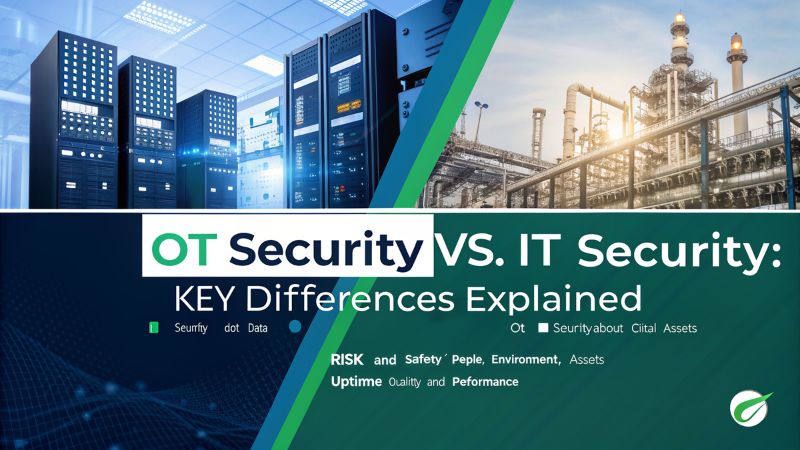
Understanding the key differences between OT and IT security is crucial for organizations that rely on both types of technology to operate. OT security involves protecting the physical processes that power industries like manufacturing, energy, and utilities, while IT security focuses on safeguarding data, networks, and systems within the information domain.
In this article, we will delve into the core differences between OT and IT security, examine the challenges each faces, and explore best practices for integrating them to create a unified security strategy for critical infrastructure.
Understanding IT and OT Security
What is IT Security?
Information Technology (IT) Security refers to the measures and protocols used to protect digital data, information systems, networks, and software applications within an organization. IT security primarily focuses on safeguarding business data, communications, and internal networks from threats such as hacking, malware, and phishing. The primary goal of IT security is to ensure the confidentiality, integrity, and availability (CIA) of data.
IT systems often support business operations like accounting, customer relationship management (CRM), and enterprise resource planning (ERP), and they are typically designed to work in a constantly connected, digital environment.
What is OT Security?
Operational Technology (OT) Security involves protecting physical devices, systems, and networks that are used to monitor and control industrial processes, such as production lines, power grids, or water treatment plants. OT systems include machinery, sensors, actuators, and controllers that interact with physical processes in real-time.
OT security focuses on ensuring the reliability, safety, and availability of critical systems that control infrastructure. Unlike IT systems, OT systems often run on specialized hardware and software and are typically isolated from the internet to prevent external attacks.
Key Differences Between OT and IT Security
While IT and OT security share some common goals, such as protecting assets and ensuring operational continuity, they differ significantly in terms of focus, risk tolerance, and the types of threats they face.
1. Purpose and Functionality
- IT Security: Primarily concerned with the protection of data and information. IT security ensures that digital assets such as emails, databases, and networks remain safe from unauthorized access, modification, or theft. The aim is to protect business data from cyberattacks like malware, ransomware, and phishing.
- OT Security: Focuses on the safety and reliability of industrial systems and processes. OT systems are often responsible for controlling physical assets such as machinery, transportation systems, and energy grids. The goal is to prevent cyberattacks that can disrupt these critical operations, cause physical damage, or lead to safety risks for personnel.
Example:
An IT security breach might involve hackers stealing sensitive customer data, while an OT security breach might involve an attacker manipulating a manufacturing process to damage machinery or cause a safety incident.
2. Risk Tolerance and Consequences
- IT Security: IT systems are generally more flexible and can be patched, updated, or replaced relatively easily. When security breaches occur, the consequences are typically data loss, financial damage, or reputation harm. The primary goal is to minimize data breaches and cyberattacks that compromise business operations.
- OT Security: OT systems have a lower tolerance for downtime or disruptions. These systems are often built to be highly reliable, but a successful cyberattack could lead to catastrophic outcomes such as physical damage, operational shutdowns, or even harm to human life. The consequences of an OT security breach can include environmental disasters, regulatory fines, and loss of life, making OT security far more critical in high-risk industries.
Example:
A malware attack on an IT system could cause a data breach, but a cyberattack on OT systems could result in a production shutdown, equipment damage, or unsafe conditions in a critical facility.
3. System Design and Architecture
- IT Security: IT systems are designed for flexibility, rapid updates, and connectivity. They often rely on cloud services, virtualization, and open communication protocols to ensure scalability and efficiency. Security protocols are generally software-based, focusing on securing data at rest and in transit.
- OT Security: OT systems are often purpose-built with a focus on reliability and longevity. Many OT systems were designed decades ago and were never intended to be connected to the internet. The architecture of OT systems often includes legacy devices, proprietary protocols, and embedded systems that are less adaptable to modern cybersecurity measures.
Example:
IT systems are updated and patched frequently through software updates, while OT systems, especially legacy systems, may require custom patches or solutions to address vulnerabilities.
4. Connectivity and Isolation
- IT Security: IT systems are designed to be interconnected, facilitating communication between devices, networks, and applications. This connectivity is crucial for business operations but also increases the exposure of IT systems to external threats. As a result, IT security measures focus on protecting networks from external intrusions and securing communication channels.
- OT Security: Traditionally, OT systems are isolated from the internet and external networks to reduce the risk of cyberattacks. However, as more OT systems are being connected to IT networks, the line between IT and OT is blurring. While OT systems are becoming more connected for monitoring and optimization purposes, many organizations still prioritize keeping them isolated to minimize cyber risk.
Example:
An IT security team may focus on securing endpoints and cloud applications, while OT security focuses on protecting industrial equipment, network communications, and safety protocols.
5. Threats and Attack Vectors
- IT Security: The threats to IT systems are largely data-driven and focus on exploiting vulnerabilities in software applications, networks, and servers. Common attack vectors include phishing, social engineering, and malware attacks such as ransomware and trojans.
- OT Security: OT systems face unique threats that are more focused on the physical realm. These threats can include attacks that manipulate or disrupt industrial processes, damage equipment, or cause safety hazards. Common attack vectors include supply chain attacks, denial of service (DoS), and advanced persistent threats (APTs) targeting critical infrastructure.
Example:
While IT security may address network breaches or ransomware, OT security focuses on defending against cyber-physical attacks that could compromise the integrity of critical systems or cause physical harm.
Bridging the Gap: IT and OT Security Integration
As industries continue to embrace digital transformation, the convergence of IT and OT networks is becoming more common. This integration brings new challenges and requires a unified approach to cybersecurity. While IT and OT security teams traditionally operated in silos, organizations are now realizing the importance of collaboration between the two domains to secure the entire enterprise.
Here are some best practices for integrating IT and OT security:
1. Unified Security Framework
Develop a unified cybersecurity framework that aligns IT and OT security efforts. This framework should include common security protocols, incident response plans, and shared risk management strategies to ensure consistent protection across both IT and OT environments.
2. Cross-Department Collaboration
Encourage collaboration between IT and OT security teams. Cross-department collaboration ensures that both teams are aware of each other’s priorities, vulnerabilities, and risks. Joint efforts can help identify potential gaps in security and ensure that both environments are adequately protected.
3. Implementing Secure Remote Access
As remote work becomes more common, organizations must implement secure remote access solutions that protect both IT and OT systems. Using Zero Trust models and robust authentication mechanisms ensures that only authorized users can access critical systems, whether they are working from home or remotely managing OT systems.
4. Monitoring and Threat Detection
Implement continuous monitoring tools that provide visibility into both IT and OT environments. Integrated Security Information and Event Management (SIEM) systems can aggregate data from both IT and OT systems, allowing security teams to detect and respond to threats more efficiently.
5. Regular Security Audits
Conduct regular security audits across both IT and OT environments to identify vulnerabilities and assess the effectiveness of existing security measures. By conducting audits on a regular basis, organizations can ensure that both environments are up-to-date and resilient to cyber threats.
Conclusion
While IT and OT security have different focuses, both are essential to the overall cybersecurity posture of an organization. IT security protects the data and information systems that drive business operations, while OT security safeguards the industrial systems that power critical infrastructure. By understanding the differences between IT and OT security and integrating the two, organizations can create a holistic approach to securing both their digital and physical assets.
As OT systems become more connected to IT networks, the need for collaboration and a unified security strategy will only grow. With the right tools, processes, and strategies in place, organizations can ensure the security and resilience of their entire network-protecting both their business data and the critical infrastructure that keeps the world running.
For more insights into IT and OT security, stay tuned to CyberSec Magazine, your trusted source for the latest trends, best practices, and expert analysis on industrial cybersecurity.