Industrial Control Systems: Vulnerabilities and Best Practices
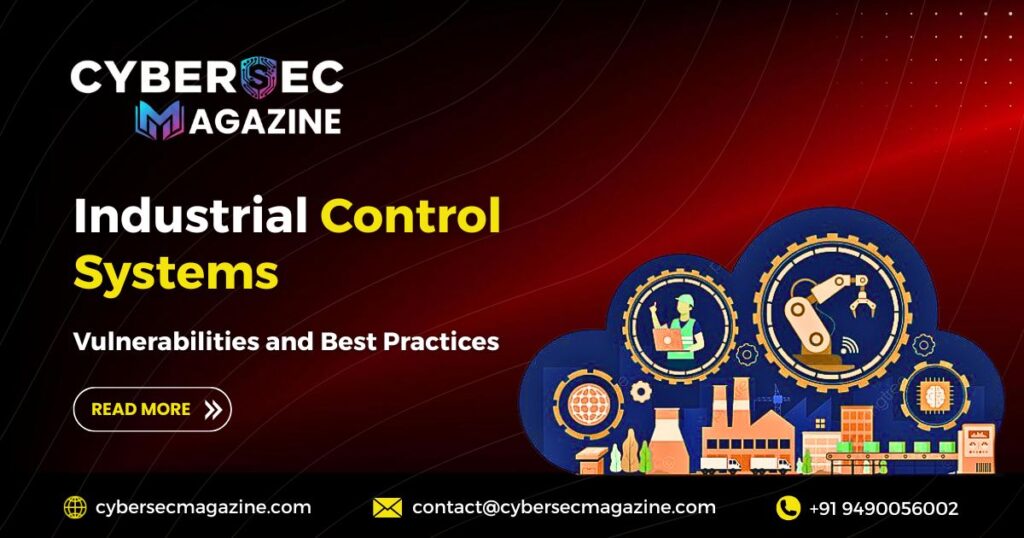
In today’s rapidly evolving digital landscape, Industrial Control Systems (ICS) are the backbone of critical infrastructure across various industries, from manufacturing to energy and transportation. These systems are responsible for controlling and monitoring critical operations such as power generation, water distribution, and industrial automation. As industries increasingly adopt digital transformation and the Internet of Things (IoT), the cybersecurity of ICS has become a top priority.
Despite their importance, ICS are often vulnerable to a variety of cyber threats. Attackers can exploit these vulnerabilities, causing widespread damage, operational disruptions, or even safety hazards. Given that cyberattacks on ICS can have far-reaching consequences, understanding their vulnerabilities and adopting best practices to mitigate these risks is crucial.
In this article, we will explore the common vulnerabilities found in ICS, why they exist, and the best practices that organizations can implement to secure their critical infrastructure. By addressing these vulnerabilities and following proven strategies, organizations can better protect their ICS and ensure the safe and efficient operation of essential services.
What Are Industrial Control Systems (ICS)?
Industrial Control Systems (ICS) are integrated hardware and software systems used to monitor and control industrial processes. These systems are typically deployed in sectors such as:
- Manufacturing-Automated production lines, robotics, and process control.
- Energy-Power generation, transmission, and distribution networks.
- Water Treatment-Wastewater and water distribution systems.
- Transportation-Traffic control systems, railway signaling, and automated transportation systems.
ICS can be categorized into three main components:
- Supervisory Control and Data Acquisition (SCADA)-A system used for remote monitoring and control of industrial processes.
- Distributed Control Systems (DCS)-Typically used in manufacturing and process industries to control production systems and processes.
- Programmable Logic Controllers (PLC)-Industrial computers used for automating specific processes in manufacturing, such as assembly lines.
These systems are essential for the continuous operation of critical infrastructure and are often responsible for controlling physical processes, making them a prime target for cybercriminals.
Common Vulnerabilities in ICS
ICS are inherently vulnerable due to a combination of outdated systems, poor cybersecurity practices, and the complexity of their operations. Here are some of the most common vulnerabilities in ICS:
1. Lack of Network Segmentation
One of the primary weaknesses of many ICS environments is the lack of proper network segmentation between Operational Technology (OT) networks and Information Technology (IT) networks. IT networks are often connected to the internet and are exposed to a wide range of external threats. If ICS networks are not properly segmented, malicious actors can easily move laterally from IT to OT, gaining access to critical systems that control physical processes.
Risk:
- Attackers can infiltrate ICS through weak IT network defenses, compromising critical systems.
Best Practice:
- Network Segmentation: Ensure OT networks are isolated from IT networks and that strict access controls are in place. Use firewalls, virtual private networks (VPNs), and intrusion detection systems (IDS) to prevent unauthorized access.
2. Outdated and Unsupported Systems
Many ICS environments rely on legacy systems that were never designed with modern cybersecurity threats in mind. These systems are often running outdated software and hardware that can’t be easily updated or patched. Additionally, vendors may no longer provide support for these older systems, leaving them vulnerable to exploitation.
Risk:
- Attackers can exploit known vulnerabilities in legacy systems that cannot be patched or updated.
Best Practice:
- Regular Patching and Updates: Make a concerted effort to replace or upgrade legacy systems with more secure, modern alternatives. For systems that can’t be replaced, apply all available patches and implement compensating controls to mitigate known vulnerabilities.
3. Weak Authentication and Access Controls
In many ICS environments, weak or poorly managed authentication practices create significant security risks. For example, the use of default passwords, lack of multi-factor authentication (MFA), and insufficient user access controls can make it easier for attackers to gain unauthorized access to critical systems.
Risk:
- Weak passwords and inadequate access controls make it easier for attackers to gain control over ICS networks.
Best Practice:
- Strong Authentication: Implement multi-factor authentication (MFA) for all critical systems and access points. Enforce strong password policies and ensure that all user credentials are regularly updated.
- Least Privilege Access: Apply the principle of least privilege to ensure that users and systems only have access to the resources necessary for their function.
4. Insecure Remote Access
Remote access is often required for maintenance and support of ICS environments, but insecure remote access channels are a major vulnerability. Many ICS environments rely on Virtual Private Networks (VPNs) or remote desktop protocols (RDP) that can be poorly configured or insecure, allowing cybercriminals to gain access.
Risk:
- Attackers can exploit vulnerabilities in remote access tools to gain unauthorized access to ICS systems.
Best Practice:
- Secure Remote Access: Use secure remote access solutions such as Zero Trust Network Access (ZTNA) or Virtual Desktop Infrastructure (VDI) that provide granular control over who can access systems and under what conditions.
- VPN Hardening: Ensure that VPN connections are encrypted, and implement strict access controls, logging, and monitoring to detect suspicious activity.
5. Insufficient Incident Detection and Response
In many ICS environments, there is a lack of adequate monitoring and detection mechanisms. Attackers can often gain access to critical systems and operate undetected for extended periods. Without proper monitoring tools, organizations may not detect attacks until significant damage has been done.
Risk:
- Cyberattacks can go unnoticed, causing operational disruptions, safety risks, or data breaches.
Best Practice:
- Continuous Monitoring and Detection: Implement real-time monitoring tools such as Security Information and Event Management (SIEM) systems to detect and respond to cyber threats in real time. Utilize anomaly detection techniques to identify suspicious behavior that may indicate a potential attack.
- Incident Response Plan: Develop and regularly update an incident response plan that includes procedures for identifying, containing, and mitigating cyberattacks. Conduct regular drills to ensure all stakeholders are prepared to act swiftly during an attack.
6. Vulnerabilities in IoT and IIoT Devices
The proliferation of Internet of Things (IoT) and Industrial Internet of Things (IIoT) devices in ICS environments has introduced a new layer of complexity. These devices, which range from sensors to smart meters, often have limited security features and may not be properly managed.
Risk:
- Insecure IoT/IIoT devices can serve as entry points for attackers, providing access to ICS networks.
Best Practice:
- IoT/IIoT Security: Implement a robust IoT/IIoT security framework that includes secure device configuration, strong authentication, and encryption. Ensure that devices are properly managed and monitored for vulnerabilities.
- Device Segmentation: Isolate IoT/IIoT devices from critical ICS networks using network segmentation to reduce the risk of lateral movement by attackers.
7. Lack of Employee Training
Human error is one of the leading causes of cyber vulnerabilities in ICS environments. Employees may inadvertently expose ICS to cyber threats through actions like clicking on phishing emails, misconfiguring systems, or bypassing security protocols.
Risk:
- Employees may unknowingly contribute to cybersecurity breaches, allowing attackers to infiltrate ICS.
Best Practice:
- Employee Training and Awareness: Conduct regular cybersecurity awareness training for all employees, with a focus on identifying phishing emails, following secure access protocols, and understanding the importance of cybersecurity in ICS environments.
- Role-Based Training: Provide specific training for employees based on their roles and the level of access they have to critical systems.
Best Practices for Securing ICS
1. Comprehensive Risk Assessment
The first step in securing ICS is to conduct a comprehensive risk assessment to identify potential vulnerabilities, threats, and gaps in your security posture. This should include an analysis of both the IT and OT environments to ensure a holistic approach to cybersecurity.
2. Network Monitoring and Threat Intelligence
Active monitoring of ICS networks is crucial for detecting and responding to threats before they can cause significant harm. Implementing intrusion detection systems (IDS), security information and event management (SIEM) solutions, and leveraging threat intelligence feeds can help detect anomalies and provide early warnings of potential attacks.
3. Vendor Risk Management
ICS environments often rely on third-party vendors for hardware, software, and maintenance. It is important to assess and manage the cybersecurity posture of third-party vendors to ensure they meet your security standards. This can be done through vendor risk assessments, security audits, and ensuring that vendors follow secure practices when integrating with your ICS.
4. Physical Security
Cybersecurity is not just about digital defenses-it’s also about physical security. Physical access to ICS systems can provide attackers with the opportunity to bypass network defenses and cause damage. Implementing access controls, surveillance, and security protocols at physical sites is vital to securing ICS.
Conclusion
Industrial Control Systems are vital to the operation of critical infrastructure and are increasingly being targeted by cybercriminals. Understanding the vulnerabilities that exist in ICS and adopting best practices to address these weaknesses is essential for protecting these systems from potential attacks. By implementing strong network segmentation, ensuring timely patching, enhancing authentication protocols, securing remote access, and investing in employee training, organizations can greatly improve their ICS security posture.
As ICS environments continue to evolve and become more interconnected, cybersecurity will play an even more significant role in safeguarding these systems. With the right strategies in place, organizations can minimize risk, enhance operational continuity, and ensure the safety and security of their critical infrastructure.
For more expert insights on ICS cybersecurity and best practices, subscribe to CyberSec Magazine and stay up to date with the latest trends and developments in OT/ICS security.